Careers in Health Services Research are shaped not only by formal job descriptions, funding opportunities and promotion criteria, but also by a wealth of hidden knowledge: the unwritten rules, informal expectations and personal insights that are rarely taught but often learned through experience. HSR UK's Careers Inclusion Research found that access to this knowledge can be uneven and that it can contribute to inequalities in career progression and satisfaction.
In this new blog series, researchers from across our community share their experiences of navigating these challenges and opportunities, helping to make hidden knowledge more visible for others.
This is the first blog in the series exploring the topic of Health Disclosure in Academia.
HSR UK's Careers Inclusion Research Report published earlier this year found that disability, long-term health conditions and caring responsibilities continue to shape career experiences in Health Services Research. Across surveys, interviews and stakeholder discussions, researchers described inconsistent adjustments, reliance on supportive managers and the uneven distribution of support and opportunity. A recurring finding was that experiences often depended less on organisational policy and more on the understanding and actions of individual line managers and supervisors.
This blog reflects on these realities through the experiences of Emily Wood, a Senior Research Fellow in Mental Health at the University of Sheffield, whose research and professional interests include supporting disabled researchers and promoting equitable career progression within academia.
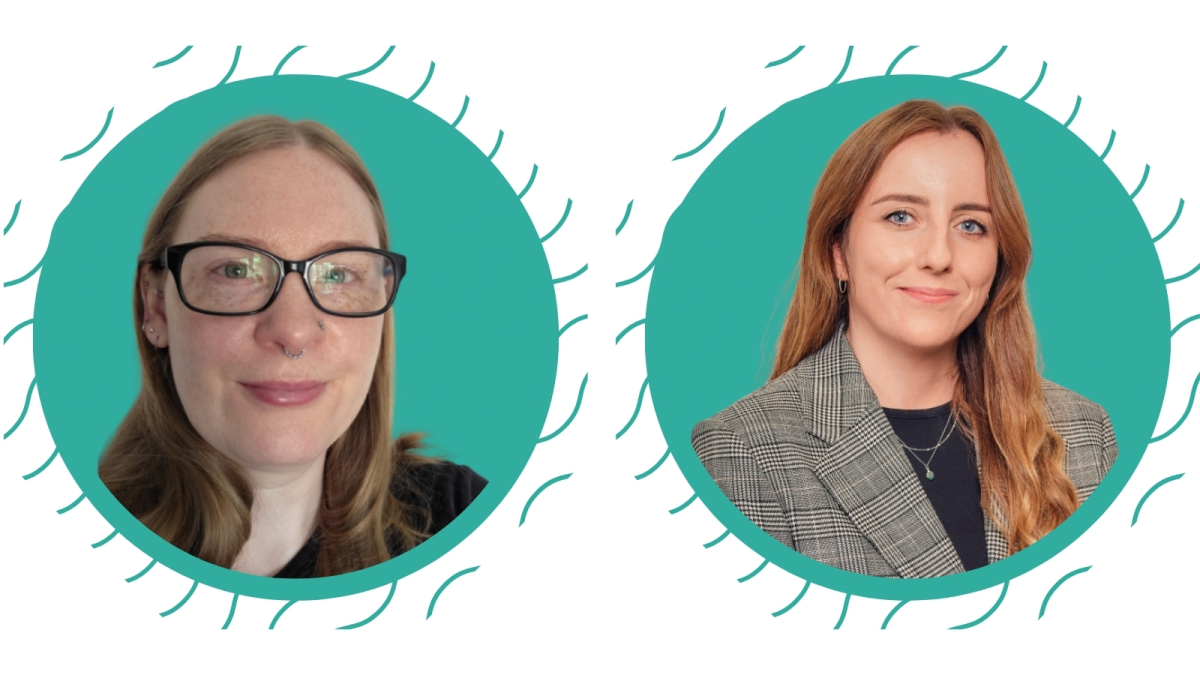
Dr Emily Wood, Senior Research Fellow, University of Sheffield
Dr Jenny Wheeldon, Research and Engagement Officer, Health Services Research UK
Emily: When they told me dogs take after their owners, I had not expected this to include having multiple long term health conditions. One thing guaranteed to make you appreciate the NHS for your own care is regular vets’ bills and ever-increasing insurance premiums for your furry friend.
As health services researchers, our role is to research how to make NHS better, easier to access, and more cost efficient. We recognise that the best research teams have input from stakeholders with a variety of perspectives, including policy holders, clinicians, and most importantly the patients themselves. Despite this, there remains a stigma within academia about disclosing our own health issues or additional needs at work.
The reasons why are interesting but how to navigate the situation is more practically useful to early career academics. Disclosure is always a personal decision and may not be right for you, but the following are some of my reflections from my experience of navigating my health in the workplace.
Disclosure of a health condition may not be a choice. A visible disability will disclose itself taking the decision out of your hands. This was the case for me during my PhD studies. I could not walk without crutches meaning everyone in the building knew there was some kind of health problem, even if they did not know the details. I do not think that this ever caused me a problem. In fact, people offered assistance and made sure I was in touch with the University’s disability team, who were very helpful. Getting the support you need is vital. I have always had good experiences with occupational health and disability support services.
The importance of obtaining appropriate support is reflected in HSR UK's Careers Inclusion research. Researchers living with long-term conditions reported lower career satisfaction than colleagues without long-term health conditions, highlighting the importance of timely adjustments and supportive workplaces.
Emily: However, talking to colleagues has shown that experiences can be a bit of a lottery. This was very obvious when I got long covid. My team were very supportive and helpful but I know people in the same department who did not get the same support. This was partly due to the newness of long covid and partly due to the knowledge of our respective line managers, but it does highlight the difficulties and risks when support or lack of it primarily comes from your line manager or research PI.
Emily's experience echoed discussions at the HSR UK's Careers Inclusion Findings Workshop, held in January 2026, where we shared initial findings of our research with researchers across institutes, sectors and career stages. Workshop participants described colleagues with the same health conditions receiving very different levels of support within the same institution. They attributed this variation largely to individual line managers' understanding of the illness, rather than consistent organisational processes.
This challenge is not unique to physical health conditions. Workshop participants also reflected on how many researchers may avoid disclosing neurodivergence or mental health conditions, even when support could be beneficial. Discussions highlighted uncertainty about reasonable adjustments, concerns about stigma and the difficulty of deciding whether disclosure feels safe.
Emily: I would advise people to do their own research and talk to their clinicians about what will be helpful. This makes it easier to ask for what you need. When you can be specific this is often easier for your department to provide it as well.
Finally, it is often easier to disclose physical health conditions than mental health ones, however, these are easily exacerbated by work conditions, and your employer cannot offer you support if they do not know you need it. Disclosure does not necessarily mean telling everyone, usually just your line manager and an HR representative. However, it will be on your employment record. You must decide if this is something you are comfortable with.
Again, I have found differing quality of responses in different places. Many organisations will have staff support groups, usually run by people with lived experience. You can speak to them informally before deciding about disclosure. You can also get support from your union, if you have one.
Emily Wood, Senior Research Fellow, University of Sheffield
Across HSR UK's Careers Inclusion research project, disabled researchers and those with long-term health conditions highlighted that access to support is not experienced equally. Emily's reflections illustrate how these experiences are shaped not only by individual circumstances, but also by organisational culture, trust and previous experiences of support. We hope Emily's reflections encourage readers to consider how their own organisational cultures, leadership and workplace practices can help make disclosure feel safer and support more equitable career experiences.
By making these experiences more visible, we hope this blog series will contribute to a more open conversation about the hidden knowledge that shapes careers in Health Services Research.